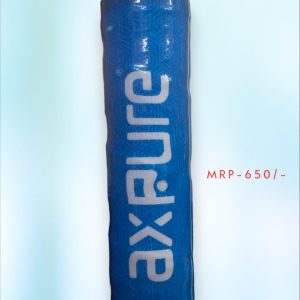
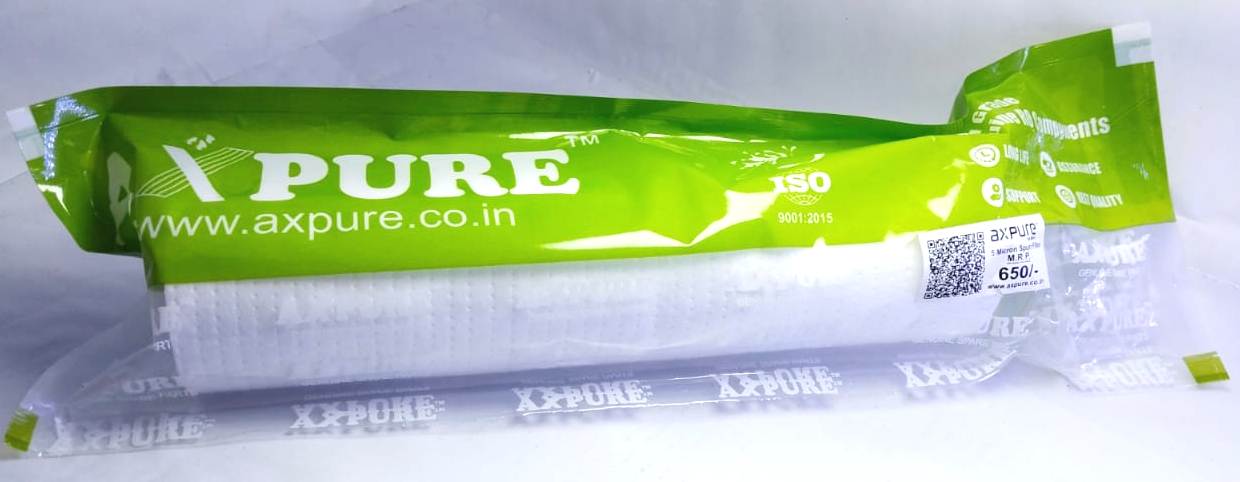
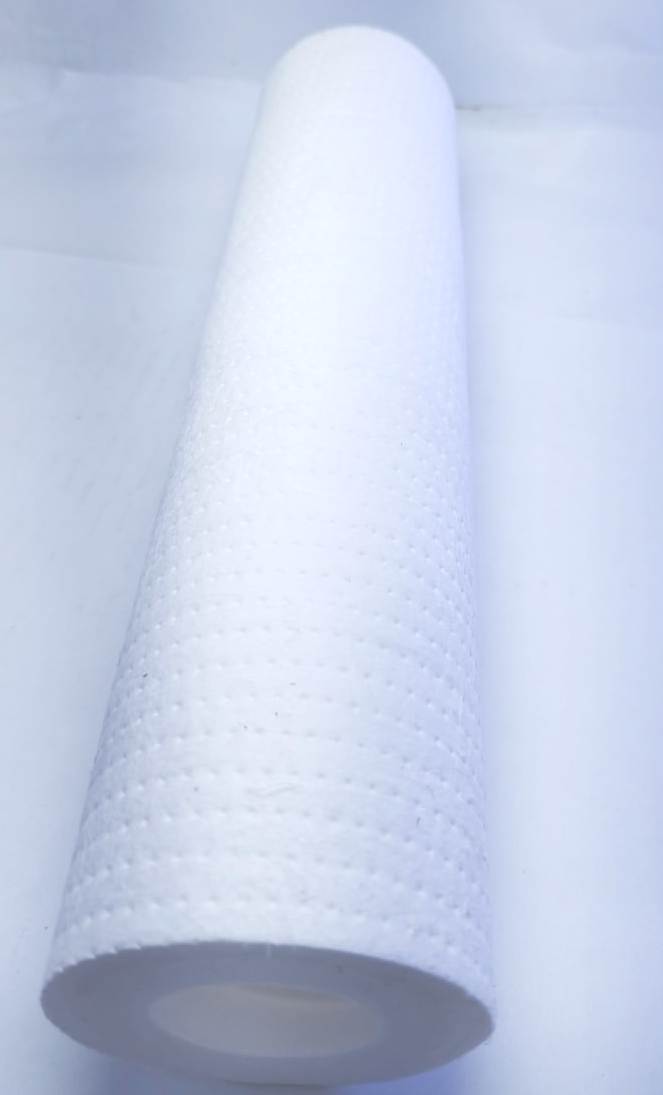
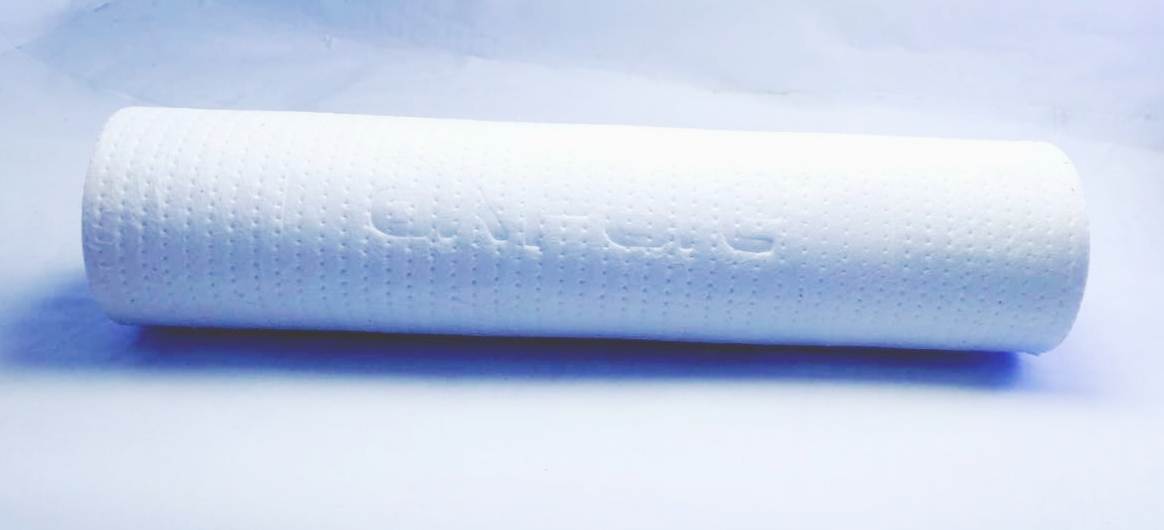
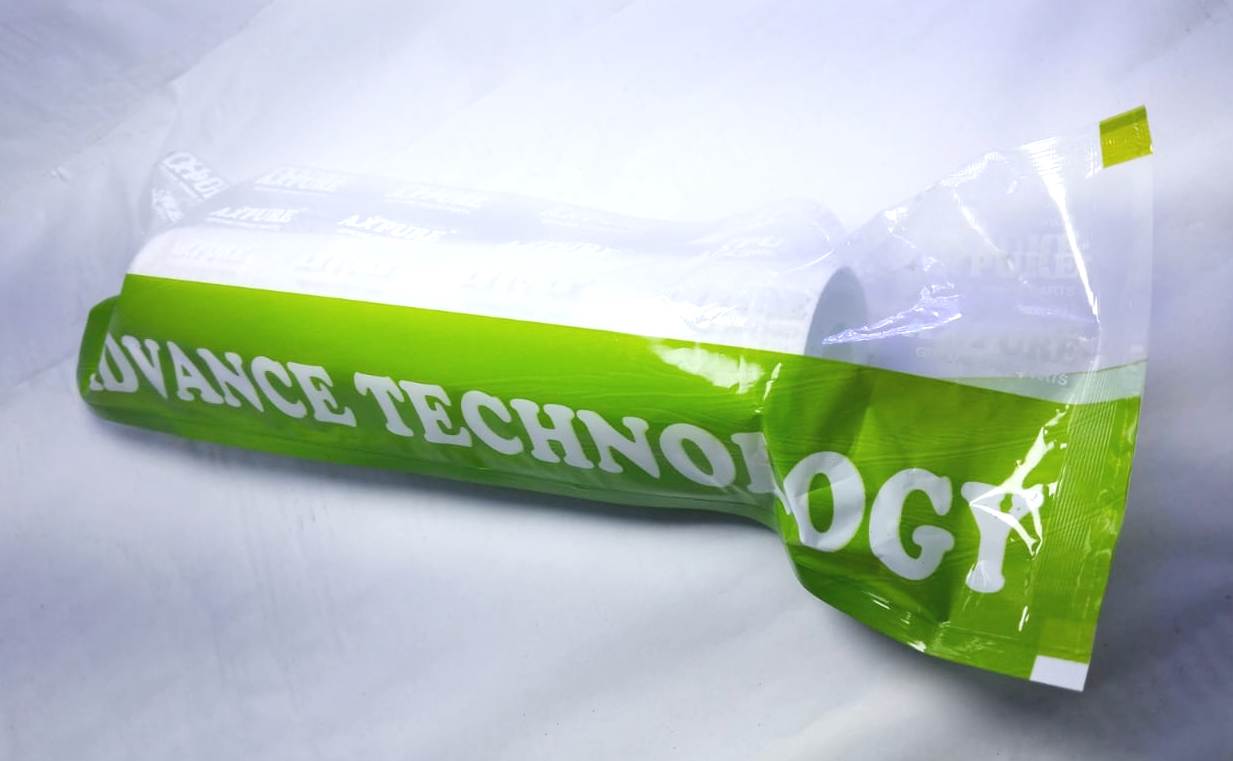
Description
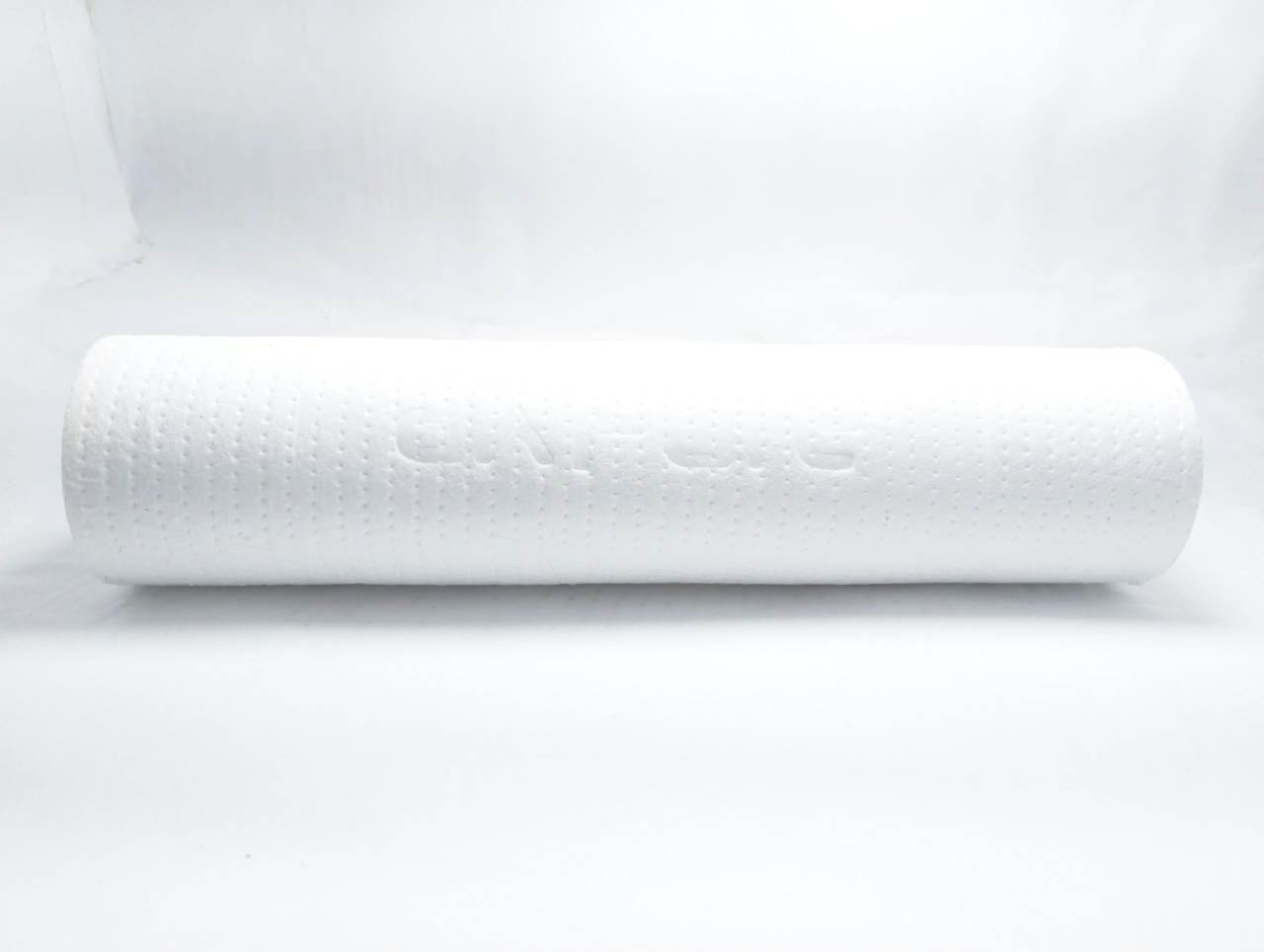
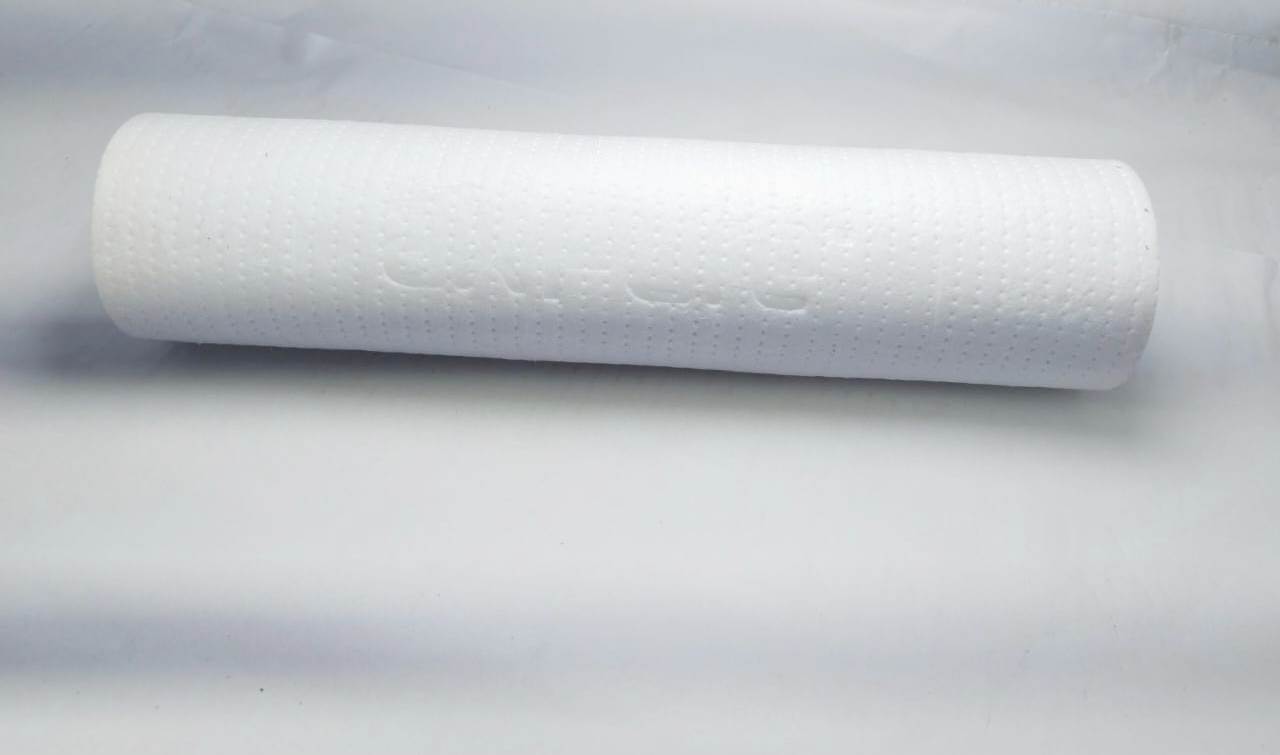
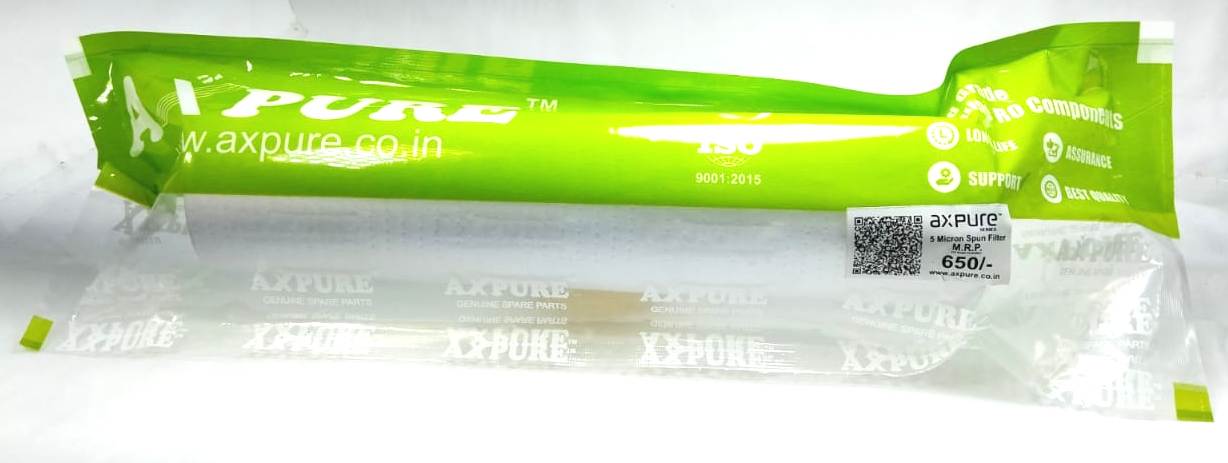
AXPURE A 5 micron water filter will sieve out particles that you can see – but all the other smaller particles will pass through it into your drinking water. By contrast a 1 micron filter will remove particles not visible to the naked eye.
How many microns is drinking water?
Key Takeaway: A water filter’s micron rating is important for determining the quality of drinking water. AXPURE 0.5-micron filters can remove most bacteria and cysts, 1-micron filters can remove bacteria, parasites and some viruses like HAV, while AXPURE 5-micron filters are ideal for sediment removal without sacrificing flow rate.
What is a 5 micron AXPURE cartridge filter used for?
AXPURE 5-micron filters installed up-stream of ion exchange resin columns to remove particles and down-stream to remove resin fines that could pass through under drains and clog a pure water system. AXPURE 5-micron pre-filters installed ahead of a reverse osmosis system to remove non-uniform sized particles.
Will a 5 micron AXPURE filter remove chlorine?
If that same filter is combined with a AXPURE 5-micron granular activated carbon filter, then it will help reduce chlorine, taste, odor, colors, and herbicides, pesticides, and VOC’s found in the water. Believe it or not, filters that have a lower micron count do exist.
What will 5 micron AXPURE filter out?
The smaller the micron numbers the better. Try imagining microns like a sieve. A 5 micron AXPURE water filter will sieve out particles that you can see – but all the other smaller particles will pass through it into your drinking water. By contrast a 1 micron filter will remove particles not visible to the naked eye.
What are AXPURE spun filters?
AXPURE Sediment depth filters are generally spun polypropylene sediment depth filters, which in reality, are gradient density filters in that the outer layers trap larger particles so that the inside layers are more efficient. They are often called “melt blown” or “spun poly” filters.